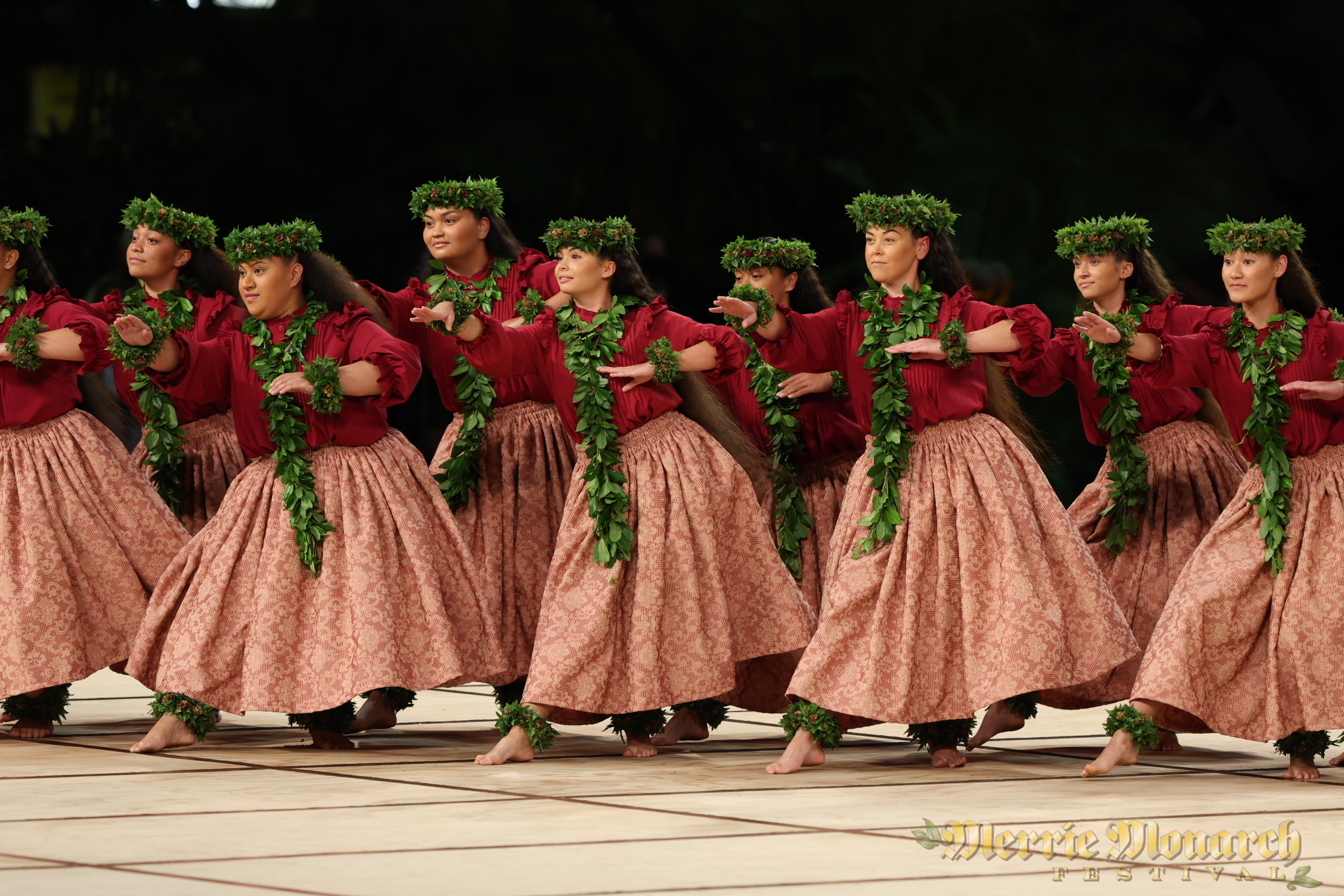
Hula Kahiko
A traditional, ancient style of Hawaiian dance characterized by its deep spiritual connection, performed with traditional chants and percussion instruments, often depicting stories of Hawaiian gods and chiefs.
Why do we need it?
Hawaiian culture has long been tainted by the colonization of their people leading to the erasion of their history for the past century. As a dancer of hula and as someone closely tied to Hawaiian culture, I find it important to revitalize the identity of Hawaiians particularly through the art of hula kahiko. This paper will examine the cultural disruption experienced by the Hawaiian people, highlighting how hula remains important in revitalizing and educating about restoring cultural identities. Targeting educators and youth, especially at the collegiate level, this paper emphasizes the importance of hula in maintaining Hawaiian culture and traditions. Ultimately, by reclaiming traditional practices such as hula kahiko, we can ensure the education of Hawaiian culture for future generations.
About Us
History of Hawaii. Why was the Hawaiian identity “erased”?
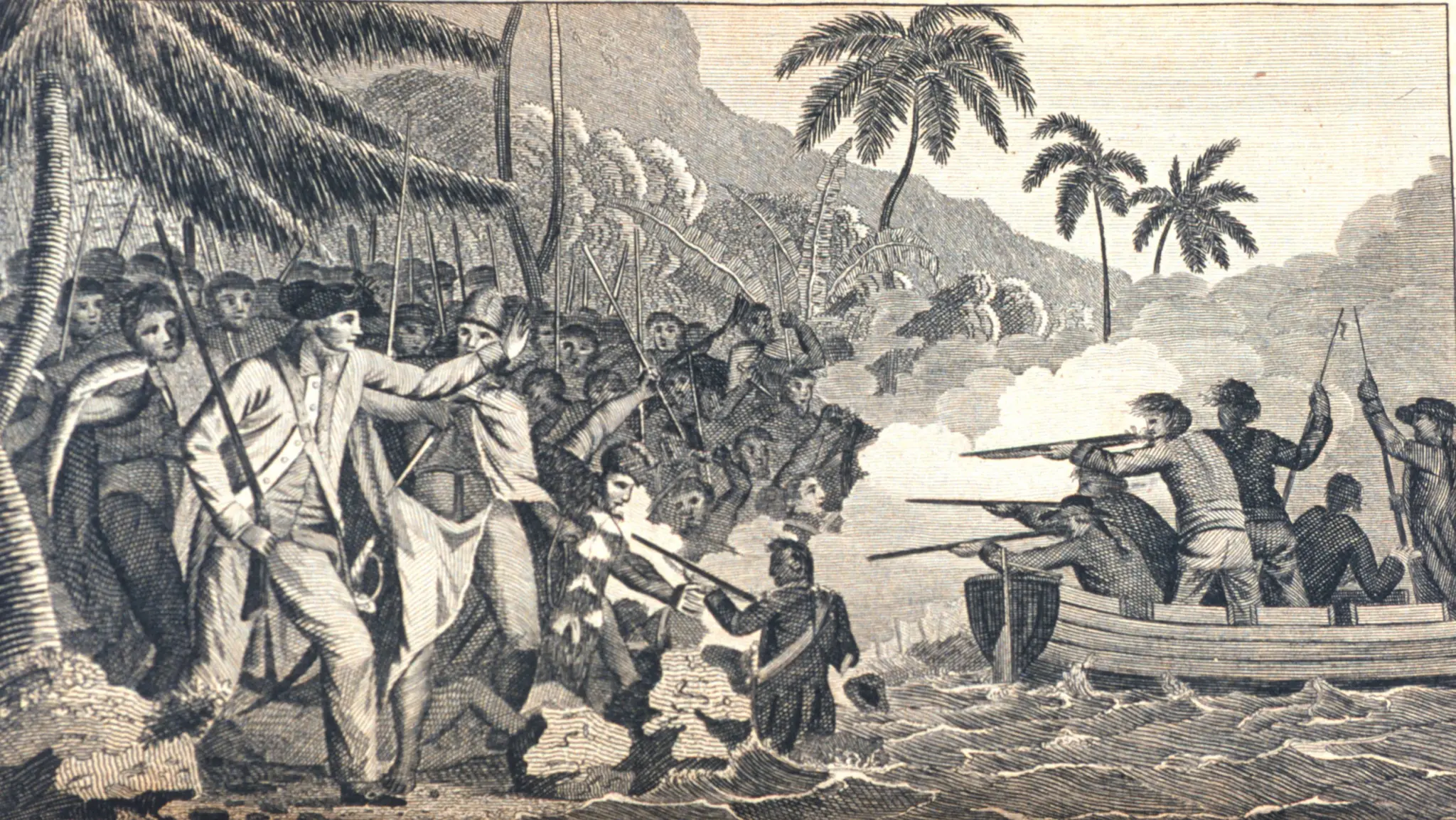
The erasure of Hawaiian identity was a direct result of colonial policies aimed at gaining land and power, forcing Native Hawaiians into a state of cultural, economic, and political subjugation. As detailed in The Power of the Hula: A Performance Text for Appropriating Identity Among First Hawaiian Youth, the 1970s Hawaiian Renaissance highlighted the lasting effects of American imperialism, which had begun long before the official annexation of Hawaii in 1898. The forced overthrow of the Hawaiian monarchy in 1893 by American and European businessmen marked the beginning of systematic efforts to erase indigenous culture and consolidate foreign control. To maintain dominance, American rulers banned the Hawaiian language in schools, suppressed traditional practices such as hula, and pushed Western ideologies that distanced Hawaiians from their ancestral knowledge. This led to the loss of traditions and fears of following previously normal culture norms. Taking the right for Hawaiians to practice their own culture not only tainted their culture but all other aspects of their lives. This suppression extended beyond education, placing Native Hawaiians at significant health and financial disadvantages, further subjecting them to American rule. Hawaiians became “weak” figures in society, on their very own land. By stripping Hawaiians of their land, language, and economic stability, colonial forces attempted to erase a deeply rooted cultural identity. Given this history of forced assimilation and systemic oppression, it becomes essential to reestablish Hawaiian cultural education, particularly through hula kahiko, as a means of revitalizing and preserving the language, traditions, and history of the Hawaiian people.
Narrative
What is Hula Kahiko? What Space Does it Hold in Education?
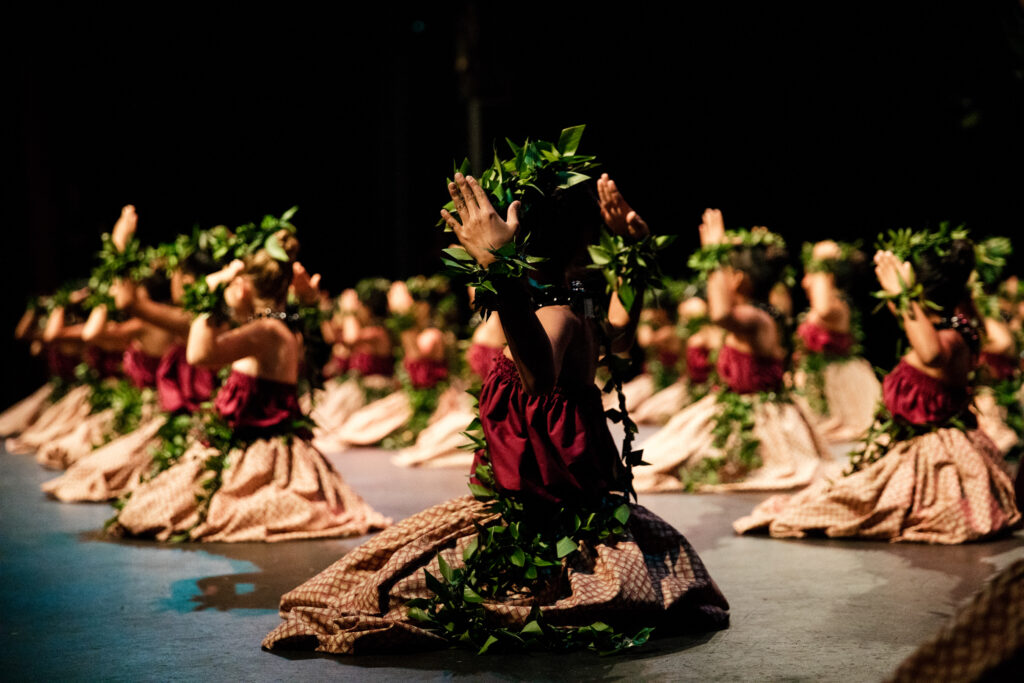
Now what is hula kahiko you may wonder. Hula kahiko serves as a powerful vessel for storytelling deeply based in Hawaiian culture identities. As explored in Hula as a Way of Knowing: A Personal Journey toward Musical and Kinesthetic Understanding, hula is more than just a dance—it is a way for Hawaiians to preserve and pass down their history, beliefs, and values. Every movement carries meaning, often depicting stories of the gods, myths, and legends that shape Hawaiian culture. Hula kahiko, in particular, is distinguished by its use of percussion instruments and ‘ōlelo (chants), which enhance the narrative and spiritual depth of each performance.
However, due to the colonization of Hawaii and the suppression of Hawaiian culture, hula was once banned and forced underground as Western influences sought to replace indigenous traditions with their own religious and political systems. Christian missionaries and American businessmen viewed hula as wrong and immoral, leading to laws that restricted public performances and the use of the Hawaiian language. Over time, these colonial efforts diminished the role of hula in everyday life, disconnecting many Hawaiians from their cultural roots. Despite this, hula survived through the resilience of practitioners who continued to teach and perform in secret, ensuring that the tradition was not lost.
This history of suppression highlights why it is crucial to integrate hula kahiko into educational spaces today. By incorporating hula into schools and cultural programs, Hawaiians can reclaim their heritage and resist the lingering effects of colonization. Hula kahiko serves as an educational tool that teaches not only dance and music but also history, language, and the values of Hawaiian society. It reinforces the significance of oral traditions, kinesthetic learning, and the interconnectedness between movement, music, and history. Through hula, education becomes more than just academic instruction—it becomes a means of cultural preservation, ensuring that future generations remain connected to the stories and wisdom of their ancestors while actively resisting the erasure imposed by colonization.
Hula Kahiko at UCLA. How we Grow
As a UCLA student I am constantly tested to grow and grasp new knowledge every day. As someone who shares the roots of Hawaiian culture I found it necessary to join Hui O ‘Imiloa (Hawaii Club) here at UCLA to continue to grow my knowledge of the land my family cherishes so deeply. As part of this club, we learn and share knowledge of the Hawaiian people for club members and all students across campus. We do this by practicing and performing hula kahiko and auana (a slower version of hawaiian dance) to tell traditional stories of the hawaiian people. We perform with a formal kumu (hawaiian dance teacher) who recites traditional chants and performs music live. The audio I worked with in this project comes directly from our 2023-2024 kahiko performance which consists of an ole (chant) and long series of drumming and percussion to dance to.
The preservation of Hawaiian culture through hula kahiko is not just an artistic practice but a necessary act of resistance against the erasure inflicted by colonization. By reclaiming traditional practices in educational spaces, we empower future generations to embrace and celebrate their heritage, ensuring that Hawaiian identity is no longer overshadowed by the lingering effects of Western imperialism. Through my own experiences as a UCLA student and member of Hui O ‘Imiloa, I have witnessed firsthand how hula fosters cultural connection and strengthens community. Engaging with this art form under the guidance of a formal kumu has allowed me to deepen my understanding of Hawaiian history while actively participating in its revitalization. The audio used in this project, stemming from our 2023-2024 kahiko performance, exemplifies the resilience of Hawaiian traditions and the power of storytelling through chant and drumming. By integrating hula into educational spaces, we not only honor the struggles of the past but actively shape a future where Hawaiian culture is celebrated, respected, and preserved.